

Where we’ve been mentioned
In the News

In this article, Kate, a Gen X couples and sex therapist, argues that her “middle child” generation has had to navigate relationships without a clear rulebook amid shifting gender roles, 24/7 work expectations, and tech overload—leaving many women burned out and men isolated.

The so-called "roommate phase" has become a fairly well-documented part of becoming a new parent. But knowing it existed didn't make it any less scary. After all, how would I know when it wasn't normal? How long was it supposed to last?

Having tight bonds with other couples can make your relationship stronger. But it takes effort to find couples for you and your partner to connect with.
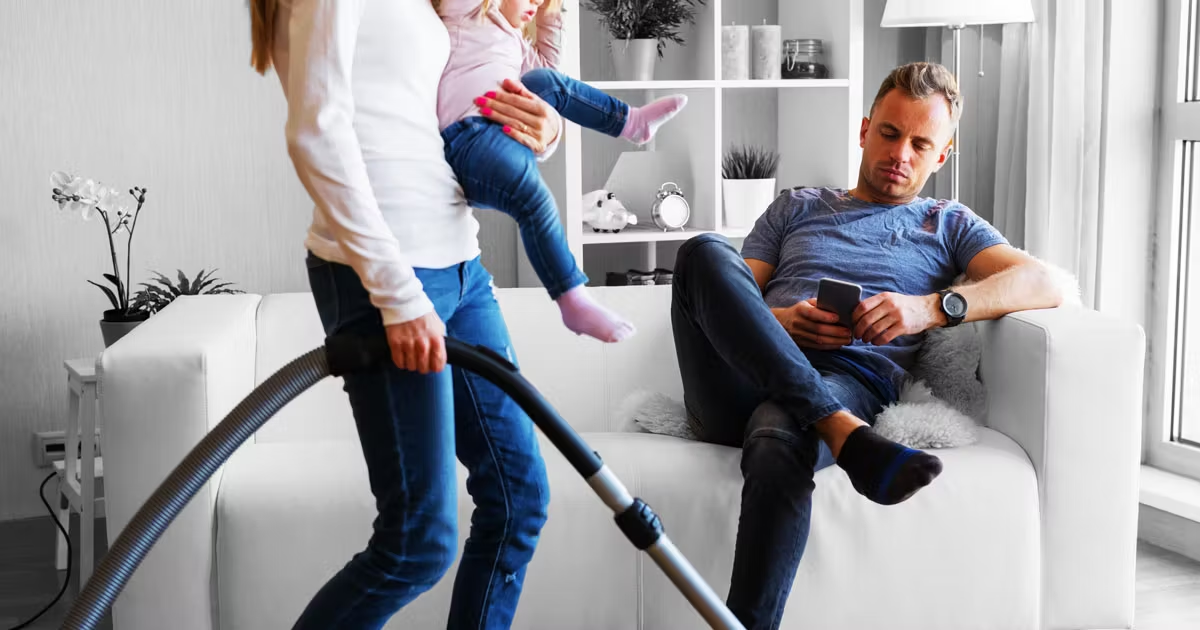
Recently, there’s been a lot of buzz around the term weaponized incompetence. It’s the idea that people use “I’m not good at this” or “I can’t do this right” to get out of normal adult responsibilities they share with their partner.

Tired of putting others first? Learn how to stop being a people pleaser and start prioritizing yourself — in midlife and beyond.

In this article, Kendra Cherry MSEd, shares the phenomenon of the "gray divorce". She explains what it is, why it's become so prevalent and what the contributing factors are.

On this podcast episode, Kate discusses when is the right time to see a couples therapist, the stages most relationships go through, and why empathy and differentiation matter in healthy relationship functioning.

Kate discussed how equitable division of labor (or the lack thereof) impact relationship satisfaction.

Kate helps answers the questions: What are signs your relationship could be over? Is it possible to save a relationship that seems to be failing?

Kate offers advice on how to make someone feel special on their birthday long distance and how to pamper someone in a long distance relationship.

On this podcast episode, Kate answers questions like: What is and what isn't couples therapy? Is it normal to be in couples therapy? When should you not seek couples therapy?

All relationships have moments where one person is annoyed or unhappy with the other person. It is important to talk through these things in a productive, non-harmful way. When I work with couples, I often see people taking all negative feedback as critical, even if it's shared in a gentle way, and becoming defensive; or people absorbing everything their partner says without discernment and then living in a constant shame spiral. Neither are helpful, but certain kinds of criticism are cruel and damage the relationship more than help.
Everybody rubs their spouse the wrong way sometimes. But often there are bigger picture rifts that can be missed in everyday spats. These aren’t disagreement so much as fundamental missteps that can eventually undermine a marriage.

Couples therapy can leave you both heated. Making a plan for dealing with it before the session can help.

If being everyone’s go-to person means your needs often take a back seat, you may want to learn more about codependency.

Positivity is wonderful, but a a die-hard commitment to “good vibes only” regardless of what’s happening is problematic. ALL emotions offer us information and if we ignore those that are negative or painful, we are missing important data that can impact our lives.

There is no one perfect way to "do" marriage, but given what they do for a living, couples therapists and relationship counselors have some good tips that everyone can benefit from. Here is the wisdom 19 therapists want to share.

No relationship is exciting every single day. It's normal to experience periods of boredom, especially after the "honeymoon phase" has ended. It is important to understand when this boredom is a sign of bigger issues and when it just a signpost to let you know the relationship needs a little attention.

Is uncertainty in a relationship always a bad sign? No necessarily, but the doubts and/or negative feelings you are having is, at a minimum, a signpost indicating the need to take a pause and reflect. Once you take a closer look and ask yourself a couple of questions, you may uncover why you aren’t feeling totally sure about your relationship.

Relationships are hard work, and long-distance ones are no exception. They come with their own challenges that can make it even more difficult than a "regular" relationship. In order for a long-distance relationship to work, both partners must put in the effort to give the relationship a chance to thrive.

When one person is glued to their screen, this can leave the other person feeling ignored, uncared for and like they’re not a priority.

In order to be psychologically flexible in a manner that benefits you and your partner, you first have to be accepting of your circumstances and the way you react to them. This requires developing self-awareness, meditating, and being reflective on your own feelings and what may be triggering them.